As detailed in the accompanying video, even individuals with an iron will when it comes to fitness and nutrition can encounter periods of struggle. The video host candidly shares his recent challenges in maintaining his previously impeccable **sustainable diet strategies** and gym routine after a significant life change. This experience is remarkably common; many professionals striving for optimal health often grapple with the complexities of consistency amid demanding schedules. Consequently, understanding robust, actionable tactics for **diet consistency** becomes paramount, particularly when navigating life’s inevitable disruptions.
Navigating Nutritional Discipline with Self-Compassion
The journey toward superior nutritional discipline is rarely linear. As the video highlights, moments of regression are an inherent part of the process, even for the most dedicated. Acknowledging these setbacks without succumbing to self-criticism is crucial for long-term adherence.
Furthermore, an all-or-nothing mindset frequently proves detrimental. Instead, cultivating self-compassion allows for greater resilience, enabling individuals to reset and resume their health goals without spiraling into prolonged periods of unhealthy habits. This measured approach fosters a healthier psychological relationship with food and fitness, thereby strengthening the foundation for **sustainable diet strategies**.
Optimizing Satiety with High-Volume, High-Protein Foods
One of the most effective strategies for managing caloric intake and curbing hunger is prioritizing foods that deliver high satiety for fewer calories. These “high-volume” foods typically possess a substantial water and fiber content, physically filling the stomach and signaling fullness to the brain. Protein, in particular, is renowned for its superior satiating effect compared to carbohydrates or fats, largely due to its impact on gut hormones and its higher thermic effect of food (TEF), meaning more calories are expended during its digestion.
The Power of Protein Pudding and Beyond
The protein pudding recipe shared in the video exemplifies a brilliant application of this principle. Combining Greek yogurt, sugar-free pudding mix, almond milk, xanthan gum, and a high-quality protein powder, this concoction yields a substantial, satisfying dessert or snack for approximately 300 calories. This aligns with scientific evidence indicating that protein-rich breakfasts or snacks can lead to reduced food intake later in the day, facilitating overall **diet consistency**.
Beyond innovative recipes like protein pudding, incorporating lean proteins such as chicken breast, turkey, fish, and legumes into every meal significantly boosts satiety. Additionally, non-starchy vegetables like broccoli, spinach, and bell peppers offer exceptional volume with minimal caloric impact. These choices empower individuals to feel full and satisfied, thereby minimizing the urge to snack on less nutrient-dense options and supporting their long-term **sustainable diet strategies**.
Strategic Hydration for Enhanced Diet Consistency
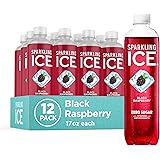
Often overlooked, adequate hydration plays a pivotal role in maintaining **diet consistency** and overall metabolic health. The video wisely emphasizes staying hydrated, especially with low-calorie options like carbonated water. It is a common physiological phenomenon for the brain to sometimes confuse thirst signals with hunger cues, leading to unnecessary caloric intake.
Consequently, ensuring sufficient fluid intake throughout the day can effectively mitigate false hunger pangs. Moreover, water is indispensable for numerous bodily functions, including nutrient transport, waste elimination, and temperature regulation. For individuals seeking cost-effective hydration solutions, the video highlights carbonated waters, which can be found for as little as 50 cents at retailers like H-E-B or 89 cents at Kroger, providing a flavorful alternative to plain water without added sugars or calories.
Embracing Mindful Indulgence: The 80/20 Rule
The concept of “giving in to cravings” periodically, as provocatively suggested in the video, is not an endorsement of unrestricted gluttony but rather a practical application of flexible dieting principles. Strict dietary restriction often backfires, leading to intense cravings, feelings of deprivation, and ultimately, binge eating. This psychological phenomenon has been well-documented in nutritional science, highlighting the importance of psychological flexibility in dietary adherence.
A more effective and **sustainable diet strategy** advocates for the 80/20 rule: consuming nutritious, whole foods 80-90% of the time, while allocating 10-20% of one’s intake to enjoyable indulgences. This approach fosters a healthier relationship with food, promoting metabolic flexibility and preventing the burnout often associated with overly rigid diets. The occasional pizza or dessert, enjoyed mindfully and in moderation, can actually enhance **diet consistency** by satisfying psychological needs and preventing a build-up of restrictive pressure. For instance, the video host enjoyed a thin-crust barbecue chicken pizza, a choice that aligns with portion control rather than excessive consumption, followed later by a 600-calorie Yasso pint, suggesting a measured approach to treats.
Leveraging Convenience for Effortless Healthy Eating
For busy professionals, time scarcity is arguably the most significant barrier to **diet consistency**. The constant juggle of work, family, and personal commitments often leaves little bandwidth for meal planning, grocery shopping, and cooking. Recognizing this challenge, the video strongly advocates for leveraging convenience, specifically through meal delivery services.
The Role of Meal Delivery Services
Meal kit services like Blue Apron, as featured, offer a practical solution by delivering pre-portioned, high-quality ingredients directly to one’s door, complete with simple recipes. This eliminates the time-consuming tasks of meal planning and grocery shopping, reducing decision fatigue and increasing the likelihood of preparing nutritious meals. The video showcases meals such as Spanish spiced chicken and rice or steak with spicy butter, illustrating how these services can elevate standard healthy foods with flavorful spices, making healthy eating both easy and enjoyable. New users can even often benefit from introductory offers, such as the mentioned “first three meals free” promotion when using a specific code, demonstrating the accessibility of such services for integrating **sustainable diet strategies** into a busy lifestyle.
Smart Sweet Treats: Satisfying Cravings Responsibly
The desire for something sweet is a common hurdle in maintaining **diet consistency**. Rather than outright denying these cravings, a more strategic approach involves incorporating healthier, lower-calorie alternatives. The video provides a compelling example with the discussion of Arctic Zero, highlighting a significant product reformulation that has dramatically improved its taste profile.
Previously criticized for a poor taste, the revamped Arctic Zero now offers a genuinely enjoyable dessert experience, with a pint containing only 280 calories (70 calories per serving and 15g carbs). This demonstrates how product innovation in the healthy food industry can provide viable options for satisfying sweet cravings without derailing dietary goals. Exploring such alternatives, from low-sugar yogurts to fruit-based desserts or improved frozen treats, is an intelligent component of any robust approach to **sustainable diet strategies**, ensuring that enjoyment remains a part of the dietary landscape.
Diet Dilemmas & Cheat Day Queries: Your Q&A
What does it mean to have a ‘sustainable diet strategy’?
A sustainable diet strategy means finding ways to eat healthy that you can stick with for a long time, even when life gets challenging. It focuses on long-term health rather than quick fixes.
What kinds of foods can help me feel full while trying to eat healthier?
Prioritize ‘high-volume’ foods rich in water and fiber, like non-starchy vegetables, and protein-packed options such as lean meats and Greek yogurt. These foods physically fill your stomach and signal fullness to your brain.
Is it okay to sometimes eat unhealthy foods or ‘cheat’ when on a diet?
Yes, the article suggests using the 80/20 rule, where you eat nutritious foods most of the time (80-90%) and allow for occasional, mindful indulgences (10-20%). This can help prevent feelings of deprivation and make your diet more sustainable.
How can drinking water help me stick to my diet goals?
Adequate hydration is crucial because your brain can sometimes confuse thirst signals with hunger cues, leading to unnecessary eating. Drinking enough water can help reduce false hunger pangs and support overall metabolic health.
What if I’m too busy to cook healthy meals every day?
Leveraging convenience, such as meal delivery services, can be very helpful. These services provide pre-portioned ingredients and simple recipes, saving you time on meal planning, grocery shopping, and cooking.